The Benefits of Bedside Cribs for Attachment Parenting
Attachment parenting is a child-rearing viewpoint that emphasizes the value of forming a strong emotional bond in between a moms and dad and child. One of the crucial components of this approach is co-sleeping, which promotes close physical proximity between parents and their infants. Bedside cribs have actually gained substantial popularity as a practical and safe sleeping option that permits parents to practice attachment parenting successfully. This article explores the benefits of bedside cribs, their features, and key factors to consider for parents.
What is a Bedside Crib?
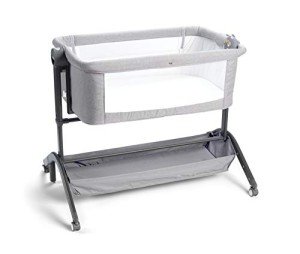
A bedside crib, likewise called a sidecar crib, is a type of infant sleeping arrangement that attaches securely to the side of a parent's bed. This design permits the baby to sleep in their own different space while keeping easy access for feeding, comforting, and monitoring. Bedside cribs come in various styles, from basic mesh designs to wood cribs that match the decor of the parents' bedroom.
Key Features of Bedside Cribs
When thinking about a bedside crib, it's necessary to analyze its features to ensure it matches the needs of both parent and baby. Here are some important qualities to watch out for:
| Feature | Description |
|---|---|
| Adjustable Height | Many bedside cribs have adjustable height settings to align with the moms and dad's bed mattress. |
| Side Panel Access | A side panel that can be reduced enables for easy access to the baby during the night. |
| Tough Construction | Top quality materials, such as strong wood or durable metal frames, supply stability and security. |
| Safety Features | Search for cribs with security accreditations and functions such as safe latching mechanisms. |
| Breathable Materials | Bedside cribs typically use breathable materials to promote air circulation, minimizing the threat of suffocation. |
Advantages of Bedside Cribs for Attachment Parenting
1. Promotes Bonding
Bedside cribs assist in a nurturing environment where infants can sense their parents' presence, which cultivates psychological security and attachment. Cots 4 Tots assists parents react more promptly to their baby's requirements during sleep, promoting a sense of safety and trust.
2. Relieve of Feeding
For breastfeeding moms, bedside cribs provide exceptional benefit for nighttime feeding. Moms can quickly reach their baby without getting out of bed, making late-night feedings less disruptive for both parent and child.
3. Lowers Risks Associated with Co-Sleeping
While co-sleeping can promote attachment, it likewise carries threats such as suffocation and falling. Bedside cribs provide a compromise, offering a safe sleeping space for the baby while still permitting parents to sleep close by.
4. Much Better Sleep for Parents
Considering that parents can take care of their baby's needs without completely waking or leaving the bed, they can preserve much better sleep quality. This is especially essential throughout the early months when sleep deprivation can take a toll on parental health.
5. Increased Convenience
With a bedside crib, parents can easily monitor their baby's movements and listen for any nighttime fussing, enabling for quicker interventions when essential. This benefit is particularly helpful for parents requiring to handle their time successfully.
Picking the Right Bedside Crib
When picking a bedside crib that lines up with the concepts of attachment parenting, parents should consider a number of aspects:
- Safety Standards: Always select a crib that fulfills safety policies and guidelines to make sure the infant's well-being.
- Size Compatibility: Ensure the crib fits securely beside the parent's bed and can be changed for height.
- Relieve of Access: Look for functions that allow easy side access, especially useful for breastfeeding.
- Mobility: If travel belongs to domesticity, think about a crib that is lightweight and easily portable.
- Budget plan: Bedside cribs can be found in a variety of price varieties. There are numerous cost effective choices that do not compromise on security or quality.
Regularly Asked Questions (FAQs)
Q1: Are bedside cribs safe for newborns?A1: Yes, bedside cribs are created with security features to guarantee a protected sleeping environment for newborns. Constantly follow the maker's guidelines and safety standards. Q2: Will my baby outgrow a bedside
crib quickly?A2: It depends upon the design. Many bedside cribs can accommodate
infants approximately 6-12 months, however it's crucial to check the weight and height limitations specified by the manufacturer. Q3: Can I use a bedside crib if I have a smaller sized bed?A3: Yes, numerous bedside cribs are adjustable and
can be lined up with different bed sizes. Always ensure the attachment is secure. Q4: How does a bedside crib differ from co-sleeping? A4: Co-sleeping includes sharing the same sleep surface
, while bedside cribs supply a separate sleeping
space for the baby, maintaining security and promoting attachment. Q5: Can I use a bedside crib if I'm not breastfeeding?A5: Absolutely! Bedside cribs are advantageous for all parents and caretakers, making it much easier
to comfort and participate in to a baby, no matter feeding techniques. Bedside cribs represent an invaluable tool for parents who embrace attachment parenting. They not only enable for physical nearness but likewise enhance security and benefit throughout the newborn stage. Parents need to carefully choose a bedside crib that complies with security requirements and fits their way of life, making sure a nurturing environment for both baby and parent. By promoting bonding, ease of feeding, and better sleep for parents, bedside cribs play a significant function in cultivating the principles of attachment parenting-- a fulfilling journey that nurtures a more powerful, caring connection in between parents and their children.